%20(2).png)

Fractional Fundraising
Need for your services is increasing, but is revenue?
Your current fundraising isn't cutting it. Junior staff turn over fast. Senior fundraisers cost more than you can afford. And handing those duties to someone capable, without expert guidance, costs you too.
As your fractional fundraiser, I bring the expertise of a Chief Development Officer at a fraction of the cost. You get proven strategies from day one, no overhead, no long onboarding.
I build the infrastructure and donor relationships your revenue depends on. And unlike traditional fundraising consultants, I don't simply leave you with a plan. I roll up my sleaves and implement it.
The goal is simple. More donors, deeper relationships, and a fundraising program built to grow your revenue year after year.
Here's What's Actually Broken
You lack basic infrastructure.
Annual fundraising and communications calendar? Welcome package for first-time donors? Segmentation so you make the right ask to the right donor? You'relikely missing the systems that relationship-based fundraising needs to work. You don't have the architecture to Engage consistently, Ask strategically, and Thank meaningfully—that's my E.A.T. method, and it's what builds an entire year of fundraising that compounds instead of relying on scattered events and reactive appeals.
You're focused on the wrong thing.
Most nonprofits chase grants and corporate gifts as their primary strategy. But 74% of U.S. charitable giving in 2024 came directly from individuals—and the remaining 26% comes through individuals too. Foundations don't give. Program officers do. Corporations don't give. CEOs and philanthropy leads do. Your organization is pouring energy into the channels that produce the least return while ignoring the relationships that should be driving everything. You're trying to solve the wrong problem, which means your resources are pointed in the wrong direction.
The systems you do have aren't working for you.
You have a donor database or CRM, but someone without real fundraising expertise set it up years ago. Now it's hardly used, or used inconsistently by different team members. Your data is there, but it's not organized in a way that actually helps you build relationships or make strategic decisions. The tool exists, but it's not serving you.
You aren't conversant in more complicated gifts.
Your supporters have Donor-Advised Funds. They have mandatory distributions to make from their IRA. They're considering a planned gifts. They're ready to give in ways that make sense for them. But your organization only accepts cash and credit cards, so you can't receive what they're trying to give (or, more likely, you are receiving them and aren't acknowledging these gifts correctly). You're leaving money on the table because you don't have the knowledge or infrastructure to say yes.
Communications aren't a part of your strategy.
You're communicating with your community regularly. But you haven't figured out how to make your supporters part of the story. Your messaging doesn't build trust or create communications people actually look forward to receiving. Communications and fundraising work hand-in-hand, but yours are operating independently. Because of that, your regular touchpoints aren't deepening relationships or moving people to give more. Maybe you're staying in touch, but not building the trust and engagement that lead to increased revenue.
You can't afford senior thinking.
A junior fundraiser costs $55-75K, needs training, and usually leaves within a couple of years. By the time they're somewhat useful, they're gone. You're back to square one. A senior fundraiser with real expertise costs $150K+ fully loaded with benefits and overhead. And even then, building infrastructure from scratch inside nonprofit constraints is a specific skill—most senior fundraisers come from big shops where the infrastructure was already built before they arrived.
What Changes When You Hire Me
I don't start with a template or assumptions about what you need. I start by looking at everything you're already doing—your systems, campaigns, communication components, website, anything that touches fundraising or fundraising-adjacent work.
From that comprehensive view, I identify what most needs to be addressed for your biggest wins. But I also identify quick wins—things we can do immediately to start building trust with your community while we work on the larger infrastructure.
Here's why this matters: trust takes time. We're not going to build a year's worth of relationship-deepening overnight. But we can start immediately.
So we'll begin with quick actions that show your community you're communicating differently, while also building out a more robust communications calendar that compounds over time.
We pace it so donors get accustomed to better, more consistent communications—not overwhelmed by sudden change.
Who This Is For
You're a fit if:
-
You understand the problem is structural and you're ready to invest in building differently
-
You can commit to a year+ long partnership (that's how compounding works)
-
You're willing to defer to expertise on scope and approach
-
You want to learn as we build, so you can sustain the work
-
Your mission genuinely matters to you—and you're ready for your fundraising to match
You're probably not a fit if:
-
You're looking for a quick revenue bump or a singular campaign
-
You want a full-time employee at a fractional price
-
You need daily availability or someone on your team
-
You want the results without investing in the partnership
-
You want guarantees (anyone who offers them isn't being honest)
Your Investment
$6,000/month, one-year minimum
That's $72,000 annually—less than a loaded junior hire, without the employment overhead and without the guesswork about whether the right work is being done.
A Fractional partnership at $6,000/month looks equivalent to a junior fundraiser salary on the surface. Except:
-
No benefits. No payroll taxes. No HR overhead.
-
No six-month ramp-up period where you're paying someone who doesn't yet know what they're doing.
-
No hope that the right work gets done. Senior expertise means it does get done.
-
No restart when they leave.
What you get:
-
An honest assessment of where your fundraising infrastructure actually is
-
A strategic fundraising plan built for you
-
Hands-on partnership through implementation
-
A team that learns and can sustain the work
-
Infrastructure that compounds
Real Results, Real Organizations
Case studies of my work:


Next Step: Let's Talk
The best way to know if this works is a conversation.
On a discovery call, we'll:
-
Talk about what's actually happening with fundraising at your organization
-
Look at where the gaps are
-
Discuss what infrastructure needs to be built
-
Decide together whether Fractional partnership is the right move—or whether something else serves you better
No obligation. I'd rather tell you upfront that this isn't the right fit than take your money and disappoint us both.
What Others Say
Simona G., Chrysalis
Liz brings both creativity and discipline to development work, ensuring strategy translates into execution and results.
Juana F., Meals on Wheels OC
Liz has a deep understanding of nonprofit fundraising. She approaches her work strategically and thoughtfully. The systems and infrastructure she helped put in place position the department for long-term success.
Kelly C., Muzeo
Liz took the time and care to really get to know the needs and aspirations of our Board and staff. Liz's quick and efficient work model was respectful of my limited time and the limited capacity of my staff.
Why I Built This
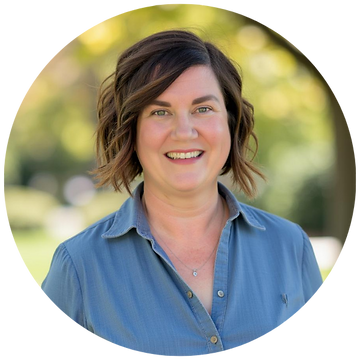
I spent 18 years inside mission-driven nonprofits building fundraising infrastructure. I watched organizations with limited resources outpace better-funded nonprofits because they invested in the right systems. I watched really good organizations quietly struggle because no one showed them it was possible to do this differently—or their leadership actively fought against the very structure that would benefit them.
I got tired of watching that second pattern.
.png)